

The national and subnational burden of falls and its attributable risk factors among older adults in Iran from 1990 to 2021 findings from the global burden of disease study
This study aimed to analyze the burden of falls and its attributable risk factors among older adults at the national and subnational levels in Iran over 32 years.
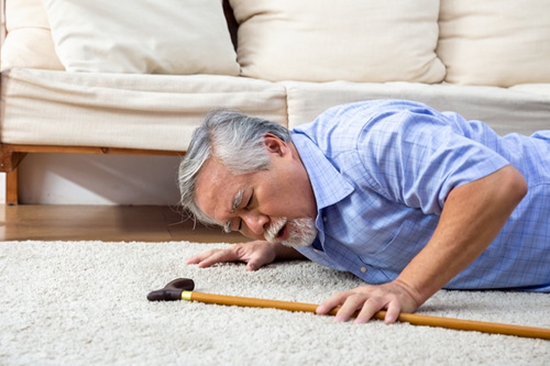
Falls among older adults (individuals aged 60 and above) are a substantial health issue worldwide. This study aimed to analyze the burden of falls and its attributable risk factors among older adults at the national and subnational levels in Iran over 32 years.
Methods
Using the Global Burden of Diseases, Injuries, and Risk Factors Study (GBD) 2021 data, we estimated the incidence, prevalence, death, and disability-adjusted life-years (DALYs) of falls and its attributable risk factors among older adults by sex, age groups, and socio-demographic index (SDI) in Iran and its provinces. We reported the estimates with their 95% uncertainty intervals (UIs). Rates were reported per 100,000 population.
Results
In 2021 in Iran, the incidence rate of falls among older adults was 1674.0 (95% UI: 1454.9-1897.3), the prevalence rate was 11302.5 (10504.7-12095.7), the death rate was 16.9 (12.9–21.0), and the DALYs rate was 736.3 (647.6-825.4). In 2021, at the subnational level, Qazvin had the highest incidence, death, and DALYs rates for falls with values at 2329.5 (2008.8-2652.1), 24.2 (19.5–29.0), and 965.9 (856.2-1074.6), respectively, while Kohgiluyeh and Boyer-Ahmad had the highest falls prevalence rate at 16043.1 (14918.4-17149.0). In 2021, males had higher prevalence, death, and DALYs rates of falls compared to females, while females had a higher incidence rate. Among the age groups, the 90–94 age group had the highest rates of incidence, prevalence, death, and DALYs from falls. Low bone mineral density was the primary risk factor attributable to the burden of falls. There were significant positive associations between SDI and both the incidence and prevalence rates of falls. Conversely, a significant inverse association was found between SDI and the death rate.
Conclusions
From 1990 to 2021, the incidence rate of falls has increased significantly among older adults in Iran, necessitating urgent interventions. Implementing nationwide, cost-effective strategies such as exercise programs to improve strength and balance, home hazard modifications, medication reviews to reduce fall-related risks, and routine screening programs for osteoporosis and fall risk assessment can help protect and support older people, minimizing their risk of falls.


ارسال نظر