Identifying determinants for falls among Iranian older adults: insights from the Bushehr Elderly Health Program
Falls are a common cause of fractures in older adults. This study aimed to investigate the factors associated with spontaneous falls among people aged ≥ 60 years in southern Iran.
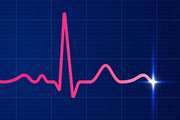
The association between continuous metabolic syndrome score and its components with electrocardiographic abnormalities in community-dwelling older adults: the Bushehr elderly health (BEH) program
Metabolic syndrome (MetS) known as a risk factor for cardiovascular diseases (CVDs) has developed into a major source of health issue, especially for the elderly. In the present study, we investigated the association between continuous MetS (cMetS) score and its components with electrocardiographic (ECG) abnormalities in the community-dwelling older adults.
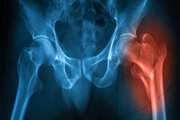
Mortality and re-fracture rates in low trauma hip fracture
This study aimed to estimate the incidence rate of re-fracture and all-cause mortality rate in patients with hip fractures caused by minor trauma in the first year following the event.
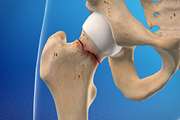
The process of hip fracture management before and during the COVID-19 pandemic in Iran
The COVID-19 pandemic affected the control of many chronic conditions, including hip fractures, worldwide. This study was to examine the impact of the COVID-19 pandemic on the management of hip fractures in a referral orthopedic hospital in Iran. By understanding how the pandemic has influenced the care of hip fracture patients, we can gain valuable insights into the challenges, adaptations, and potential improvements in orthopedic healthcare during such public health crises.

Association of age-related declined renal function and osteoporosis based on trabecular bone score in Bushehr Elderly Health (BEH) program
Osteoporosis is a systemic disease characterized by decreased bone strength and an increased risk of fracture in old age. Age and pathologic renal failure are independent risk factors for osteoporosis.

Fast-Track Pathway: An Effective Way to Boost Diabetic Foot Care
Diabetes is a chronic disease that challenges global health issues in many aspects. Diabetic foot ulcer (DFU) is one of the most common causes of reduced quality of life and increased hospitalization, amputation, treatment costs, and mortality in patients. Improper patients’ knowledge, unsatisfactory education and training of healthcare workers, and limited facilities are the major cause of delayed referral and downscale management in DFUs.

Economic barriers and gaps to reach the desirable consumption of salt, sugar, and fat in Iran: a qualitative study
Non-communicable diseases (NCDs), also known as chronic diseases, specifically cardiovascular diseases (CVD), cancers, respiratory diseases, and diabetes are the main reason for more than two-thirds of global deaths, in which the unhealthy diet is one of the primary risk factors.

Health-Related Quality of Life in Osteoporosis Patients with and without Fractures in Tehran, Iran
This study aimed to measure the health-related quality of life (HRQOL) of patients with osteoporosis with and without fractures in Tehran, the capital city of Iran.

Management goal achievements of diabetes care in Iran: study profile and main findings of DiaCare survey
This paper presented the methodology and main findings of a population-based survey to determine diabetes care status among type 2 diabetic subjects in Iran.

The Iranian blood pressure measurement campaign, 2019: study protocol and preliminary results
Hypertension is one of the most important risk factors for premature mortality and morbidity in Iran. The objective of the Iranian blood pressure (BP) measurement campaign was to identify individuals with raised blood pressure and providing appropriate care and increase the awareness among the public and policymakers of the importance of tackling hypertension.