The association of cardio-metabolic risk factors and history of falling in men with osteosarcopenia: a cross-sectional analysis of Bushehr Elderly Health (BEH) program
Osteosarcopenia, defined as sarcopenia plus osteopenia/osteoporosis, may increase the risk of fractures and affects morbidity and mortality in the older population. Falling is also common in the elderly and increases the risk of fractures and mortality. We examined the association of cardio-metabolic risk factors with a history of falling in osteosarcopenic men.

Policy analysis of nutrition stewardship for prevention and control of Non-communicable diseases in Iran
Non- communicable diseases (NCDs) are the main cause of death, which lead to over 73% of death and 62% of DALYs globally. As an unhealthy diet is the leading behavioral risk factor of NCDs, in line with the national action plan for the prevention and control of NCD, this study explored the nutrition-related stewardship problems to reduce the burden of NCDs in Iran.
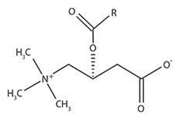
Circulating amino acids and acylcarnitines correlated with different CAC score ranges in diabetic postmenopausal women using LC–MS/MS based metabolomics approach
Diabetes mellitus (DM) and its cardiovascular disease (CVD) complication are among the most frequent causes of death worldwide. However, the metabolites linking up diabetes and CVD are less understood. In this study, we aimed to evaluate serum acylcarnitines and amino acids in postmenopausal women suffering from diabetes with different severity of CVD and compared them with healthy controls.
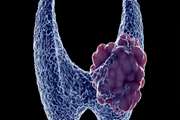
The 15-year national trends of endocrine cancers incidence among Iranian men and women; 2005-2020
Cancer is one of the important health problems in Iran, which is considered as the third cause of death. Endocrine cancers are rare but mostly curable. Thyroid cancer, the most common endocrine tumors, includes about one percent of malignant cancer. In this study, we examined the 15-year national trend of endocrine cancer incidence in Iranian men and women.
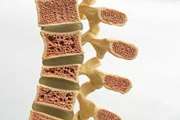
The lower basal metabolic rate is associated with increased risk of osteosarcopenia in postmenopausal women
The goal of this study is to clarify clinical, functional, and biochemical features of postmenopausal women who are at risk of developing osteosarcopenia.
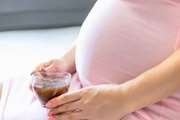
Relationship between caffeine intake and small for gestational age and preterm birth: a dose-response meta-analysis
Our meta-analysis aimed to determine the dose-response relationship between caffeine intake and risk of small for gestational age (SGA) and preterm birth (PB).
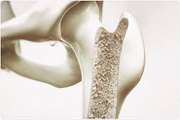
A Multiplexed Microfluidic Platform For Bone Marker Measurement: A Proof-Of-Concept
In this work, we report a microfluidic platform that can be easily translated into a biomarker diagnostic. This platform integrates microfluidic technology with electrochemical sensing and embodies a reaction/detection chamber to measure serum levels of different biomarkers. Microfabricated Au electrodes encased in a microfluidic chamber are functionalized to immobilize the antibodies, which can selectively capture the corresponding antigen.
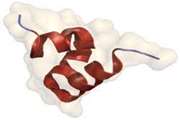
An Electrochemical Biosensor Based On Aunp-Modified Gold Electrodes For Selective Determination Of Serum Levels Of Osteocalcin
This paper reports a step-wise protocol to immobilize corresponding antibody on gold electrodes for electrochemical measurement of Osteocalcin (Oc), a bone turnover marker, levels in human serum. To our knowledge this is the first such sensor developed for Oc measurement.
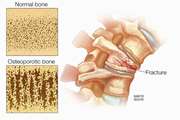
treatment of osteoporosis
New horizons in treatment of osteoporosis
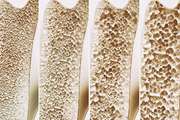
Prevalence of osteoporosis is increasing both in developed and developing countries. Due to rapid growth in the burden and cost of osteoporosis, worldwide, it seems reasonable to focus on the reduction of fractures as the main goal of treatment. Although, efficient pharmacological agents are available for the treatment of osteoporosis, there still remains a need to more specific drugs with less adverse effects.
Calcium
Coronary Artery Calcium Score And Bone Metabolism: A Pilot Study In Postmenopausal Women
Since 1991 many studies evaluated the link between cardiovascular diseases and osteoporosis, two age-related conditions, but the main common pathologic pathway has not been determined yet. The histological similarity between arterial calcified plaque and bone matrix and involvement of similar cells and mediators provide a special field of research.